Twenty-one students from five European universities, international lecturers, and a week of expert lectures, discussions and hands-on workshops. The Faculty of Health Sciences at Palacký University Olomouc hosted the sixth Olomouc School in Midwifery, which focused this year on advanced skills in midwifery.
A total of 21 participants from universities in Leipzig, Stavanger, Tallinn, Hasselt and Bratislava came to Olomouc. They were joined by their lecturers, who also contributed to the programme and led seminars for the entire international group.
The Olomouc School in Midwifery was established in 2019 on the initiative of Prof. Martin Procházka, Head of the Department of Midwifery at the Faculty of Health Sciences, Palacký University Olomouc, as a platform for students and academics from partner universities to meet and exchange experiences. Following the success of the first edition, the project continued and in recent years has been organised as a Blended Intensive Programme (BIP) under Erasmus+.
“Each year, we aim to give the programme a specific thematic focus. We invite leading experts from institutions both within and outside Palacký University and University Hospital Olomouc, and we focus the seminars on specific topics and practical training for which there is often limited time in the regular curriculum,” explains Mgr. Lukáš Merz, Ph.D., Vice-Dean for International Relations at the Faculty of Health Sciences and organiser of the school.
Advanced Skills in a Safe Environment
This year's theme was Advanced Skills, with a focus on advanced and less commonly practised techniques and skills in midwifery. The programme reflected both the expertise of the individual lecturers and the interests of the international teaching staff. An important part of the programme was its interdisciplinary approach and the opportunity to compare midwifery education and professional competencies across European countries.
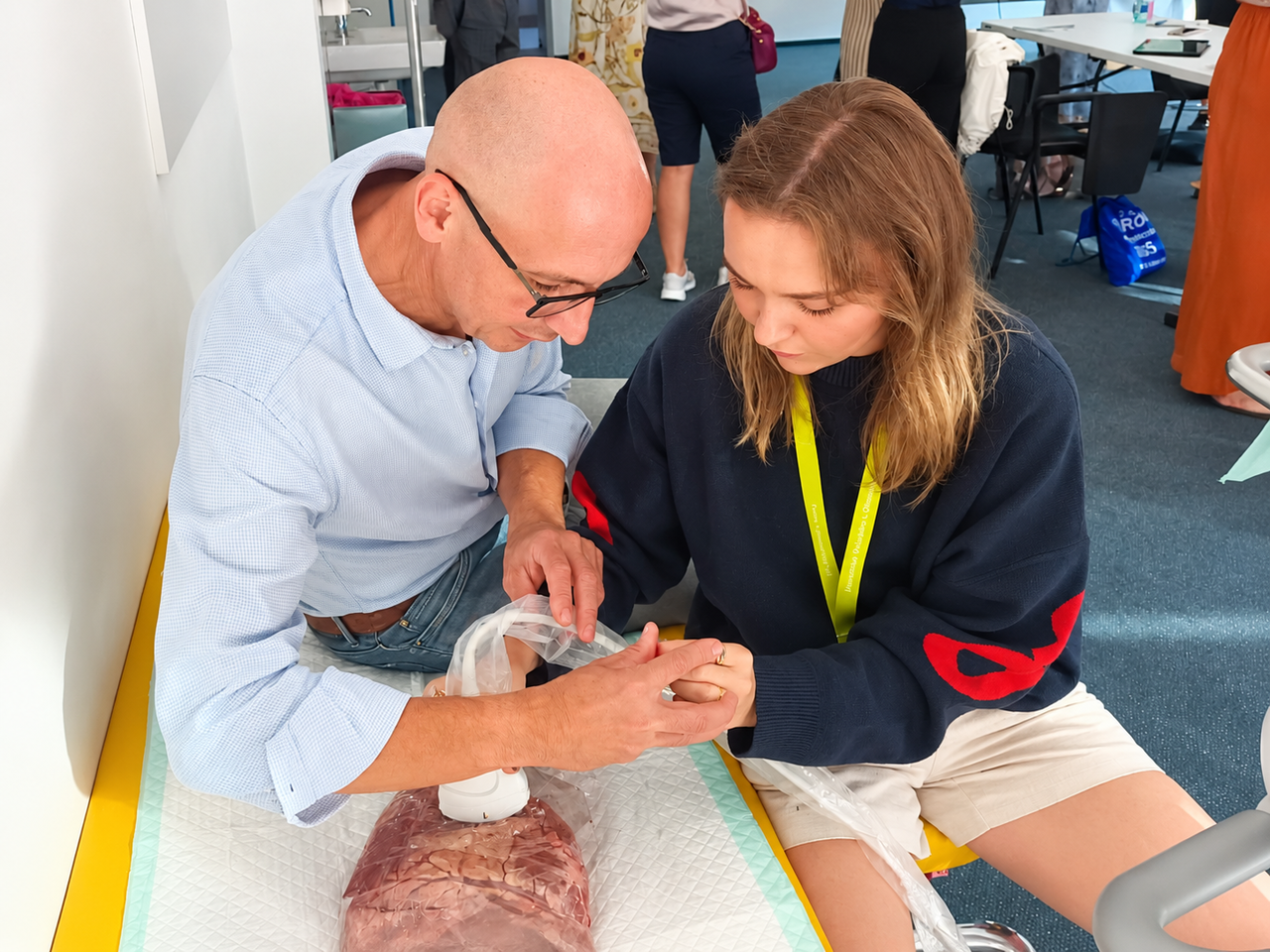
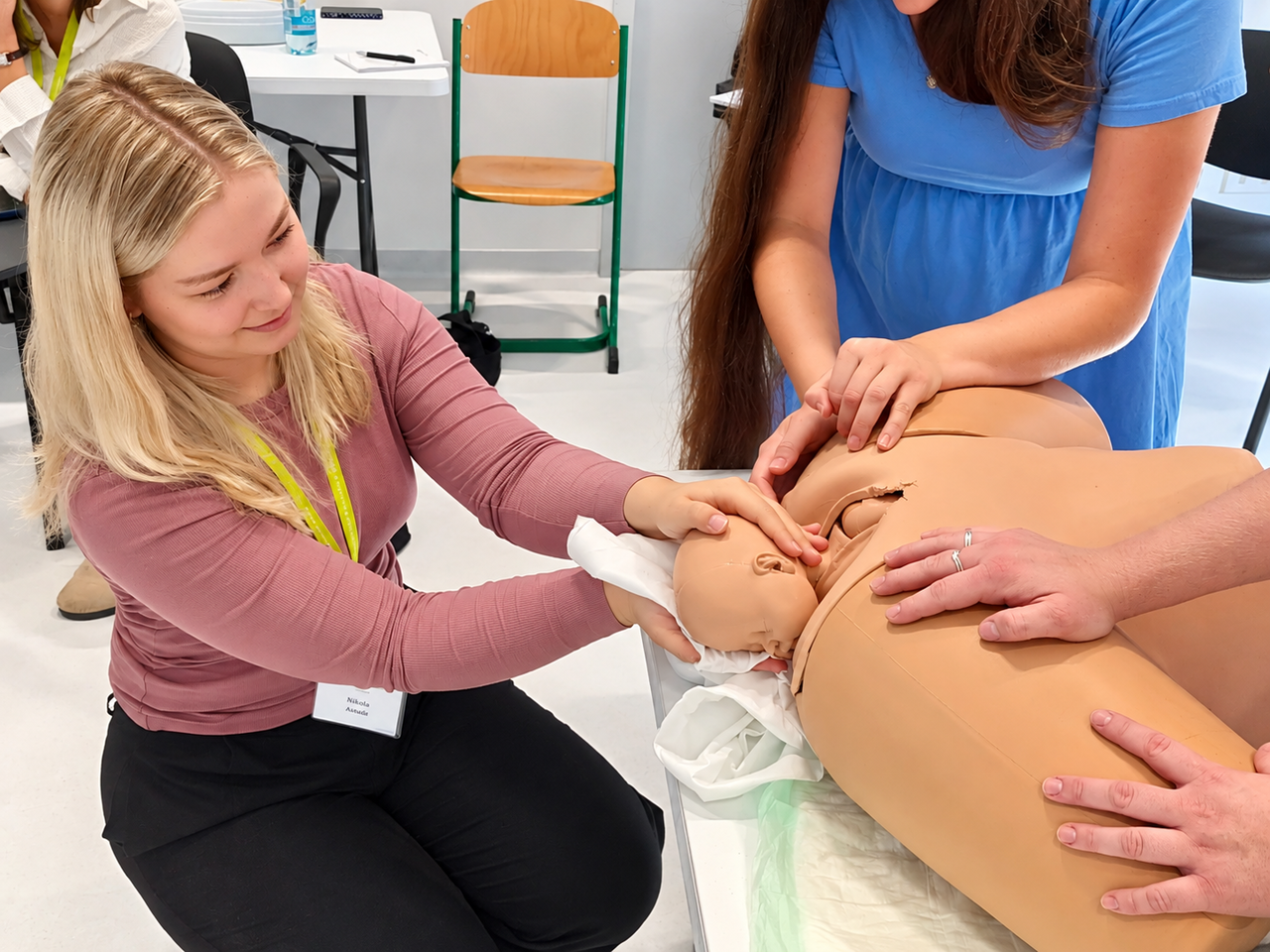
One of the hands-on workshops focused on the management of shoulder dystocia, an acute complication during childbirth. The students practised managing this situation under the guidance of Mgr. et Bc. Daniela Javornická.
“Students have the opportunity to test their skills on simulation models and practise them repeatedly in a less stressful environment, so that they are able to perform the procedures safely when faced with the pressure of real clinical situations. A simulation environment also provides time for reflection and space to work constructively and sensitively with mistakes,” explains Daniela Javornická.
Her workshops also addressed the professional identity and competencies of midwives, the role of midwifery throughout the different stages of women's and families' lives, multidisciplinary cooperation and trauma-informed care. This year's programme also explored birth rates in the European context.
One Profession, Different European Experiences
The international composition of the group gave students an opportunity to compare how their future profession is taught and practised in different countries.
“Every year, we see significant differences across European countries in midwives' competencies, the way they work, and how care for women, children and families is organised. There are, of course, also differences between individual workplaces within the same country,” says Daniela Javornická, who, in addition to teaching professional subjects, coordinates Erasmus+ exchanges for midwifery students between the Faculty of Health Sciences at Palacký University and its partner universities.
For her, the value of the programme lies precisely in discovering different approaches. “There is something to learn from every country. Through lectures, workshops and support from the teaching staff, students begin to understand the much broader context of midwifery as a profession. It plays an essential role in the healthcare system while also being strongly shaped by geographical and systemic factors.”
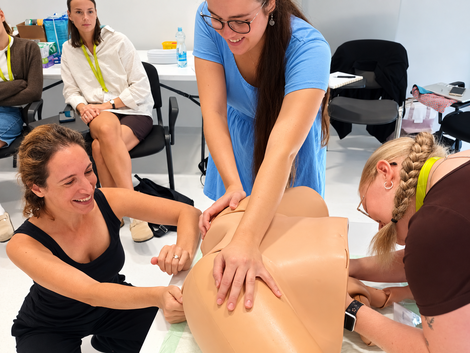
Daniela Javornická introduces students to the management of shoulder dystocia.
Participants Keep Coming Back to Olomouc
The long-term nature of the international cooperation was also reflected in the experiences of the participants themselves. Students from Hasselt and Tallinn have regularly taken part in the school since its first edition. Adriana Kiviselg from Estonia, a midwifery student, decided to come to Olomouc this year following recommendations from classmates who had attended the previous edition.
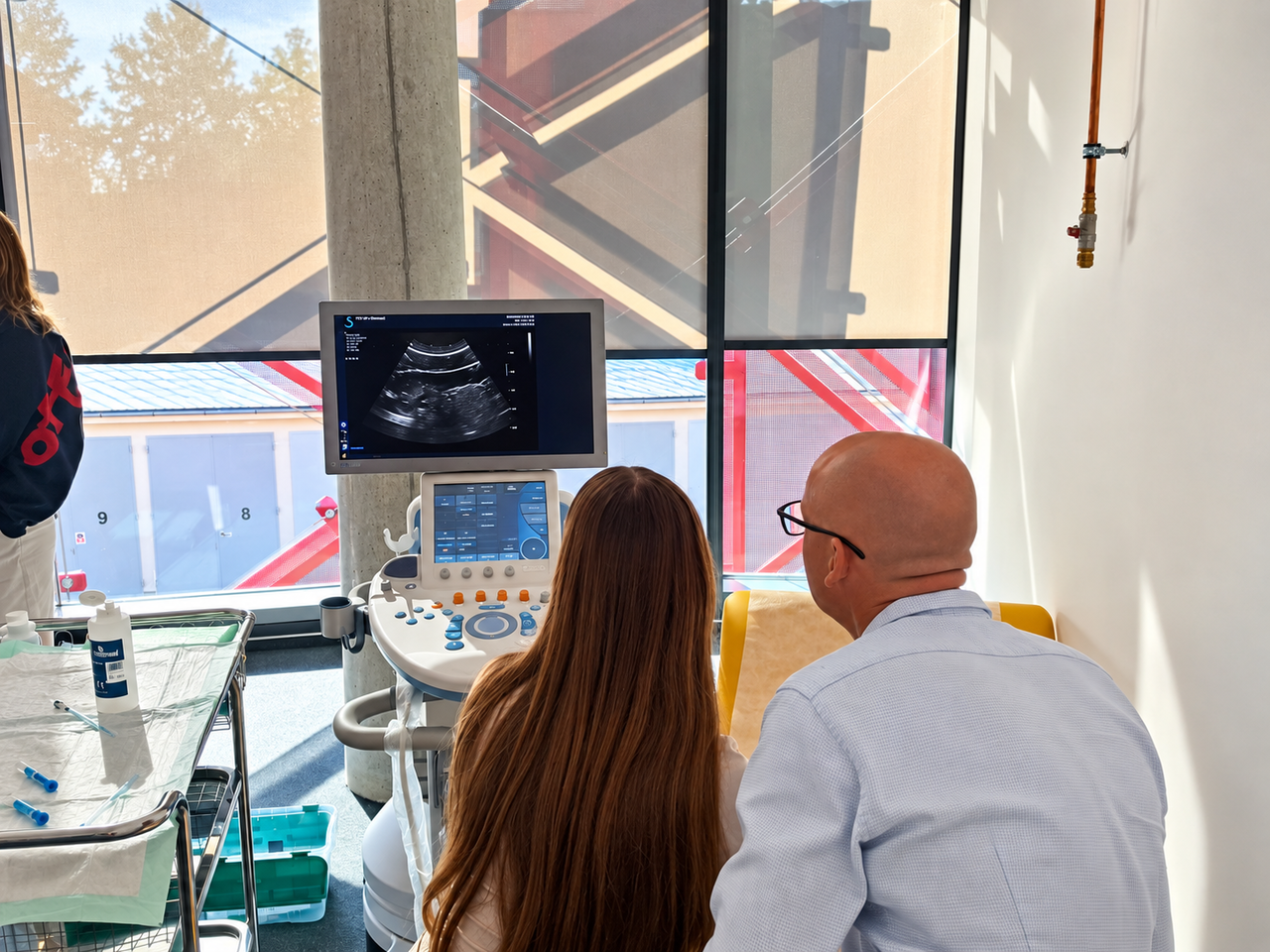
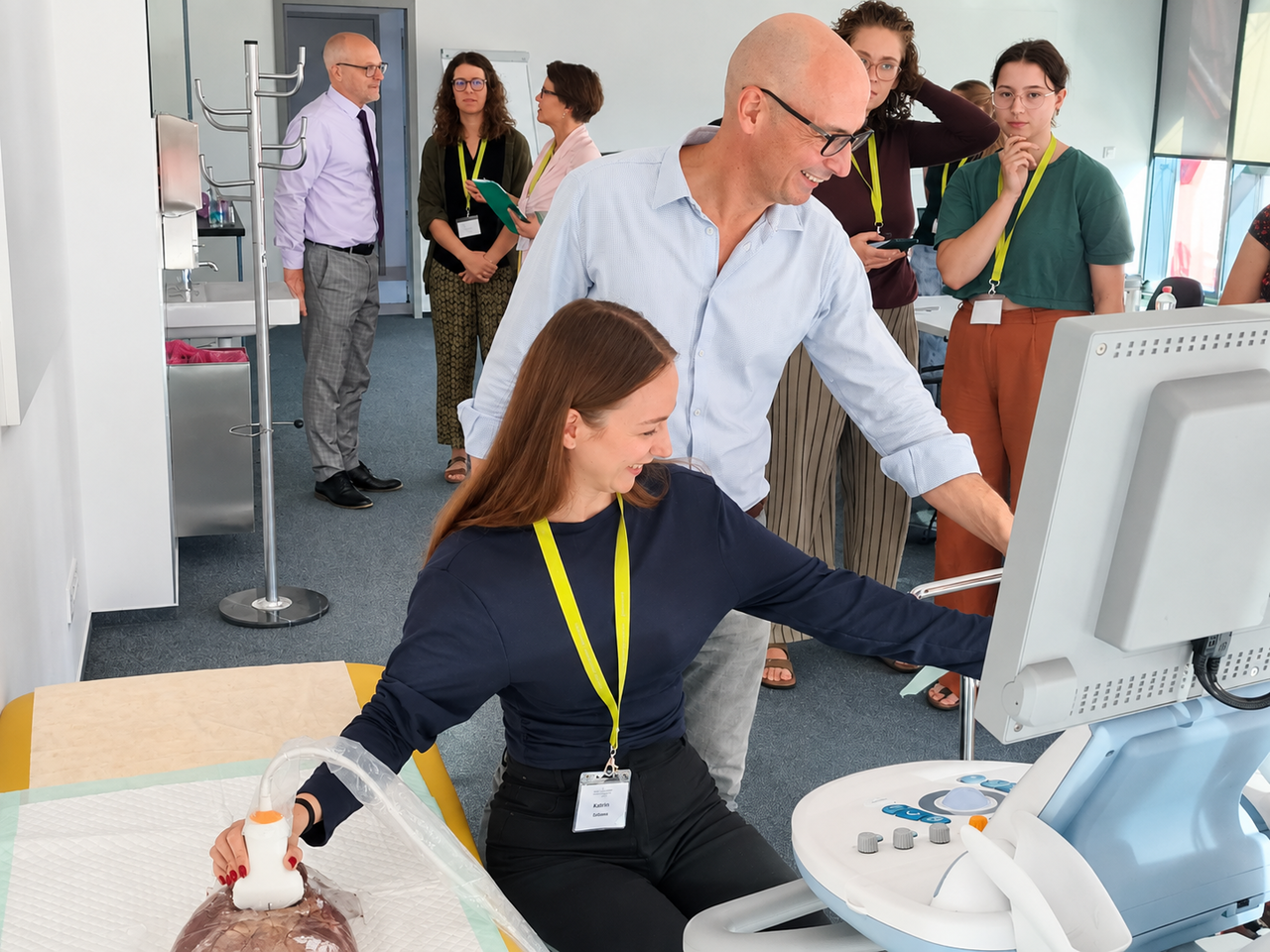
“They told me so many great things about the programme,” she explains. Of this year's activities, she particularly enjoyed the practical workshops, especially the training in shoulder dystocia management and the ultrasound session. At the same time, she did not perceive any major differences compared with the way midwifery is taught in her home country.
Dália Rajská from the Slovak Medical University in Bratislava, a third-year midwifery student, brought a different perspective. She came to Olomouc to explore other approaches to the profession and to look at familiar topics from a new perspective.
“I wanted to see a different perspective on individual procedures as well as theory and to learn things in a different way. This allows us to discover other possibilities too,” she says. While she considers Czech and Slovak midwifery education relatively similar, she particularly appreciated the amount of time the Olomouc programme devoted to individual topics.
“I am glad that there is more time for each topic here. It means we can discuss things in greater detail. There is also time for questions and more detailed explanations. Some things were explained to us in a different way, which may suit us better,” adds Dália Rajská.
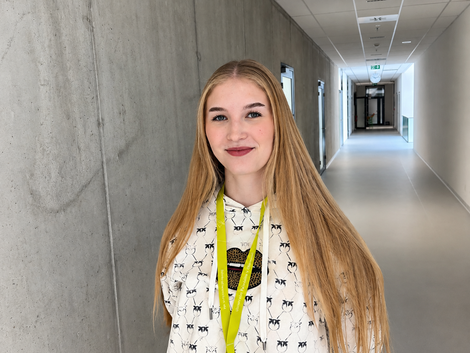
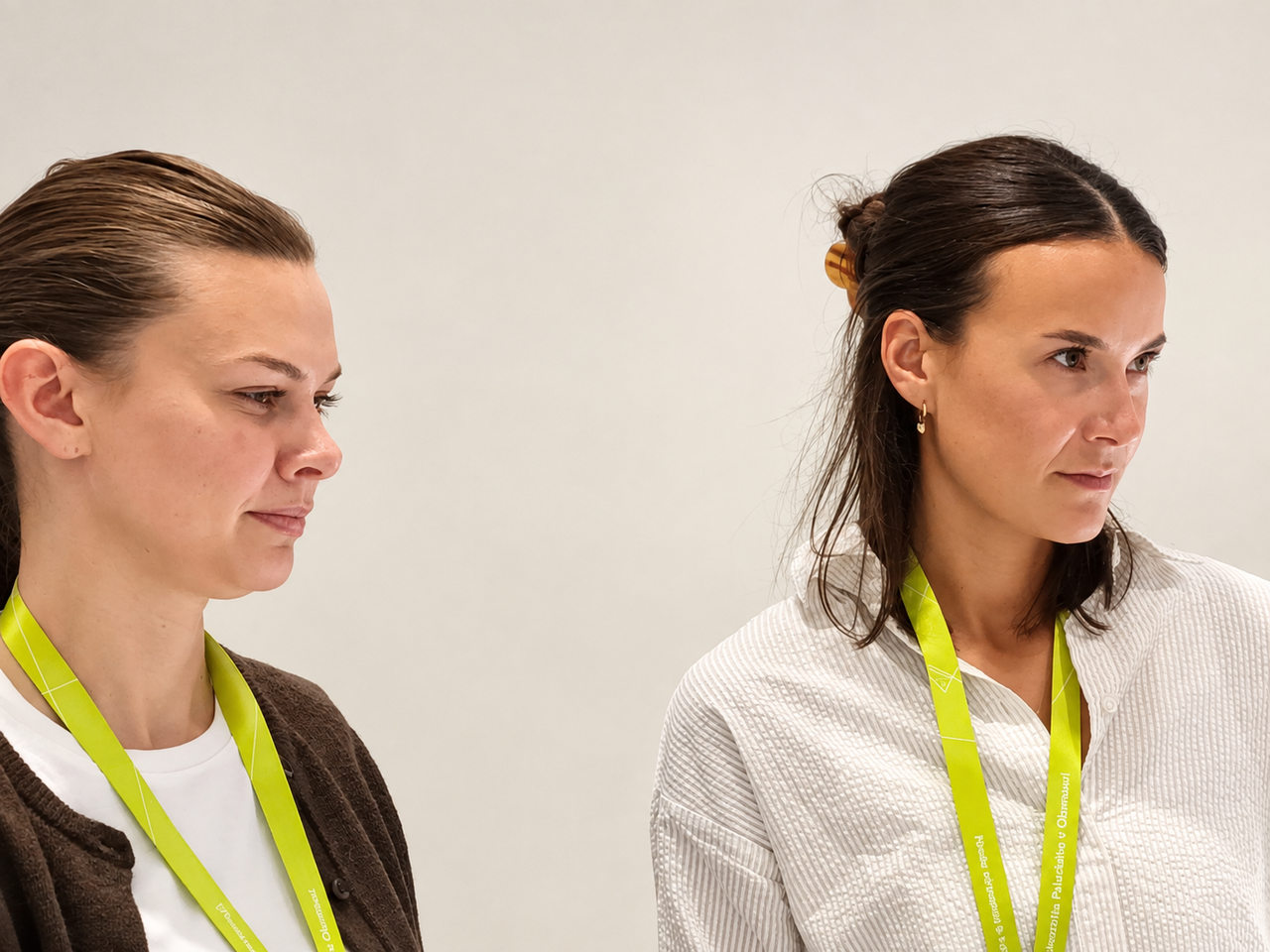
Dália Rajská, a student from Bratislava
Among the most interesting parts of the programme, she highlighted amniocentesis, CTG interpretation and the management of shoulder dystocia. “These are very important topics that we will definitely use in our future practice. It is good to understand them in real detail so that we can recognise every detail and identify potential problems as early as possible.”
The continued interest of international partners is also important for the Faculty itself. “It allows us to continue and strengthen our international cooperation and to present the Faculty of Health Sciences as an attractive destination for student and academic exchanges,” says Lukáš Merz. According to him, in addition to new skills and knowledge, the participants took home the opportunity to compare experiences from different countries, reflect on their own practice and establish new professional contacts abroad.
For Daniela Javornická, bringing students and professionals together also has a broader significance for the profession itself. “Midwifery is about tremendous courage, humility and respect for the craft and for families. Professional pride and mutual support are something we need to cultivate across countries and generations so that we preserve the culture of midwifery that has historically been part of our society.”
The Olomouc School in Midwifery 2026 physical part took place from 7 to 11 September as an Erasmus+ Blended Intensive Programme. It was organised by the Department of Midwifery at the Faculty of Health Sciences, Palacký University Olomouc, in cooperation with University Hospital Olomouc.